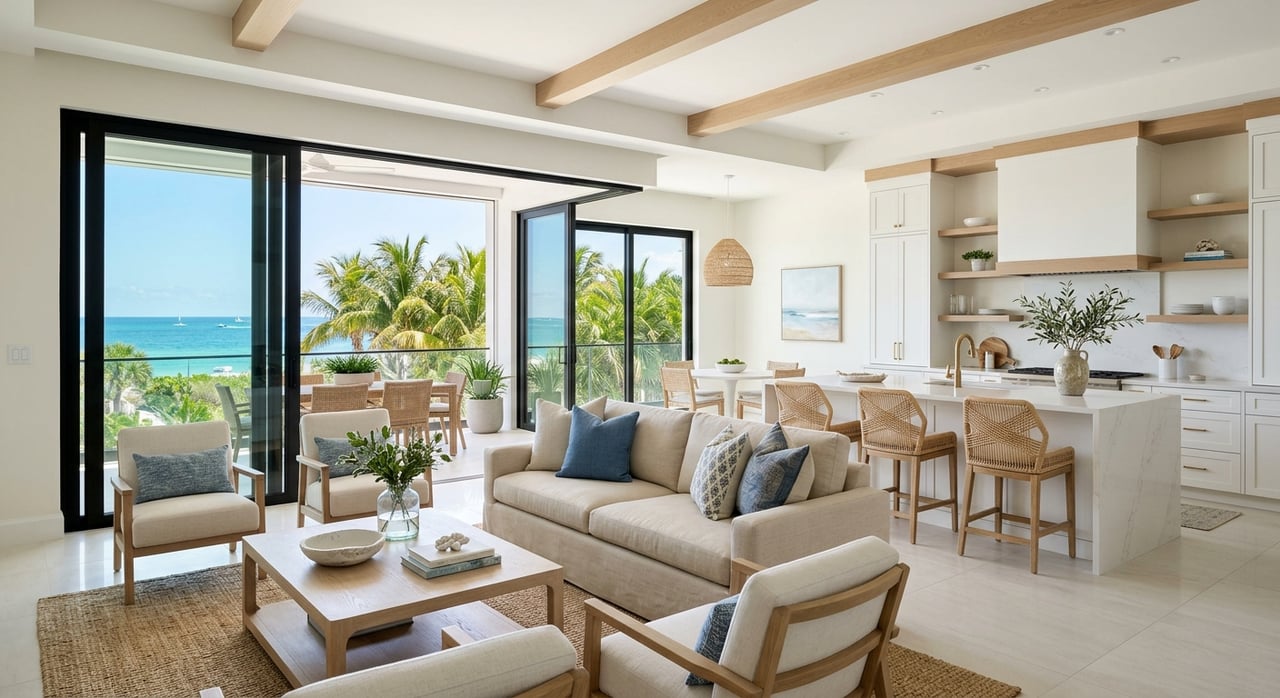
Dreaming about a home where flip-flops feel appropriate year-round? Buying a vacation-style home on Anna Maria Island can absolutely deliver that laid-back Gulf Coast lifestyle, but the best purchase is not just about finding a pretty place near the water. You also need to match the home, the city, and the ownership setup to how you actually plan to use it. If you are considering a second home, future retirement property, or part-time coastal escape, this guide will help you think through the details that matter most. Let’s dive in.
Why Anna Maria Island Feels Different
Anna Maria Island is a 7-mile barrier island made up of three cities: Anna Maria, Holmes Beach, and Bradenton Beach. That may sound simple, but each area offers a slightly different feel, which can shape your experience as an owner.
The island also supports a relaxed, car-light lifestyle that many second-home buyers want. The free island trolley runs from Coquina Beach to the City Pier with 35 northbound and 35 southbound stops, making it easier to get around without always driving.
The climate is another big part of the appeal. Anna Maria Island sees about 242 days of sunshine each year, with most rainfall concentrated from June through September. For many buyers, that combination of sun, beach access, and easy movement around the island is exactly what makes a vacation-style home here so attractive.
Choose the Right Island Area
A vacation-style purchase should fit how you want to live, not just what looks good online. On Anna Maria Island, your day-to-day experience can vary a lot depending on which city you choose.
Anna Maria for a Quieter Feel
The City of Anna Maria describes itself as a residential community with a laid-back lifestyle. If you picture slower mornings, neighborhood streets, and a more residential setting for seasonal use or future retirement, this area may feel like the best fit.
For many buyers, the north end works well when the goal is personal enjoyment first. It often appeals to people who want a peaceful second-home base rather than the most tourism-driven setting.
Holmes Beach for Convenience
Holmes Beach calls itself the island’s commercial center and says it has the majority of annual residents. That makes it a practical option if you want central access to island services, shopping, dining, and everyday convenience.
If your vacation-style home needs to work for longer stays or a future full-time transition, Holmes Beach may offer a balanced mix of island atmosphere and usability. It is often a strong middle-ground choice for buyers who want both lifestyle and function.
Bradenton Beach for a Vacation-Forward Setting
Bradenton Beach describes itself as more focused on tourists and their activities. If your ideal property feels like a true beach getaway and you want to be in the most vacation-oriented environment, this part of the island may stand out.
That said, a more visitor-focused setting can come with added rule-checking if you plan to rent the property. It is smart to look at both the lifestyle fit and the practical side before you make an offer.
Decide How You Will Use the Home
Before you compare finishes, views, or pool designs, get clear on your use plan. This is one of the most important steps when buying a vacation-style home on Anna Maria Island.
If you plan to use the home only part of the year, ask yourself how often you will realistically be there. If you are also thinking about renting it out, your search needs to include city rules, tax registration requirements, and any association restrictions.
If the home is really a future retirement purchase, your priorities may look different. In that case, long-term upkeep, accessibility, parking, guest use, and control over exterior changes may matter more than short-term rental appeal.
Single-Family Home or Condo?
On Anna Maria Island, the ownership structure matters almost as much as the location. Many buyers compare single-family homes with condos or other association-governed properties because each comes with a different lifestyle and responsibility level.
When a Single-Family Home Makes Sense
A single-family home usually gives you more control over the structure, yard, and outdoor living space. If your vision includes a private pool, more room for guests, or flexibility over how the property functions, this option may fit better.
That extra control often comes with more maintenance responsibility. On a barrier island, upkeep can be more involved than buyers expect, especially if the home will sit vacant for part of the year.
When a Condo Fits Better
A condo or similar property can be attractive if you want more of a lock-and-leave setup. In many cases, the association handles common-element maintenance, which can simplify ownership for part-time residents.
Still, convenience does not mean fewer questions. You will want to understand exactly what the association covers, what you are responsible for insuring yourself, and whether rental, guest, parking, or renovation rules affect your plans.
Check Rental Rules Before You Fall in Love
This is where many out-of-area buyers can get surprised. On Anna Maria Island, rental rules vary by city, and condo or HOA rules can add another layer.
In the City of Anna Maria, vacation rentals require annual registration. The city says owners need an active DBPR transient public lodging license, Florida Department of Revenue registration, an active Manatee County Tax Collector account, exterior and interior sketches, and annual submission of required forms. The city also says a new vacation rental cannot be advertised or rented until written authorization is received.
Bradenton Beach says any unit rented to guests more than three times in a calendar year for periods of less than 30 days, or otherwise held out as regularly rented, must be registered as a short-term rental with the State of Florida and obtain a city transient public lodging establishment license.
Holmes Beach has its own code structure as well. Its code defines resort housing as dwellings available for occupancy for less than 30 days, treats advertising under 30 days as evidence of resort housing, and includes a prohibition against renting for fewer than seven consecutive days except for a narrow grandfathered category.
The takeaway is simple: do not assume one island rule applies everywhere. Before you make an offer, confirm the city-specific minimum stay rules and ask for any condo or HOA rental restrictions in writing.
Understand Tourist Tax Obligations
If you plan to rent your property, local tax compliance matters. Manatee County says owners must register with the tax collector and collect and remit the 6% Tourist Development Tax.
The county also notes that major booking platforms do not remit that county tax on the owner’s behalf. Taxable rental revenue can include non-refundable charges such as cleaning fees, pet fees, reservation fees, resort fees, membership fees, and mandatory travel insurance. For buyers thinking about offsetting ownership costs with rentals, those details should be part of the financial picture from day one.
Review Condo Documents Carefully
If you are buying a condo, document review is not a minor step. Florida law says prospective buyers are entitled to key association materials, including the declaration, articles of incorporation, bylaws and rules, annual financial statement, and annual budget.
If applicable, buyers are also entitled to the milestone-inspection summary and the association’s most recent structural-integrity reserve study. Florida law also provides a 7-day cancellation window after receipt of the required documents, if requested in writing in the resale contract context.
These documents can tell you a lot about the real ownership experience. They help you evaluate finances, reserve planning, property rules, and the difference between what the association insures and what you must cover personally.
Plan for Insurance and Flood Risk
A beach home purchase should always include an early insurance conversation. Florida does not require homeowners insurance by law, but lenders often do, and the Florida Insurance Consumer Advocate warns buyers to pay attention to endorsements, deductibles, and coverage gaps.
One key point is the hurricane deductible. Florida uses a hurricane deductible during the hurricane event window, and hurricane coverage is wind coverage, not flood coverage. That means flood risk needs its own review.
FEMA says buildings in Special Flood Hazard Areas require flood insurance for federally backed loans when the lender is federally regulated, supervised, or insured. On Anna Maria Island, buyers should check flood maps early and ask whether an elevation certificate exists. Bradenton Beach notes that it maintains elevation certificates provided during construction or by owners.
Older island properties can also bring extra underwriting questions. Florida’s consumer guidance notes that insurers commonly require a four-point inspection covering roofing, electrical, plumbing, and HVAC. If you are comparing homes of different ages, this can affect both insurability and overall carrying costs.
Think About Seasonal Ownership Realities
Vacation-style ownership sounds easy, but smooth ownership usually comes from planning ahead. A home on a barrier island comes with weather exposure, maintenance timing, and local quality-of-life rules that deserve attention.
For example, Anna Maria says pool, spa, and hot tub quiet hours run from 10:00 p.m. to 8:00 a.m. The city also identifies sea turtle nesting season as May 1 through October 31, with restrictions on beach-facing artificial lighting.
These may seem like small details, but they shape how you use the property and how you prepare it for guests. The more your home is meant to be a relaxing retreat, the more important it is to understand the rules that protect that experience.
A Smart Buying Checklist
Before you move forward on any vacation-style home on Anna Maria Island, make sure you confirm the following:
- Which city the property is in: Anna Maria, Holmes Beach, or Bradenton Beach
- Whether the home is a single-family property or association-governed property
- The city’s minimum-stay and short-term rental rules
- Any HOA or condo rental, parking, guest, or exterior-use restrictions
- Flood zone status and whether an elevation certificate exists
- Insurance availability, deductibles, and likely inspection requirements
- Tourist tax registration and collection obligations if rentals are planned
- Long-term fit for your personal use, future retirement, or lock-and-leave goals
Why Local Guidance Matters
On Anna Maria Island, the right purchase is rarely just about price or photos. It is about how the property fits your lifestyle, how the city rules affect your plans, and what ownership will really feel like once the closing is over.
That is especially true if you are buying from out of town. Having calm, candid guidance can help you narrow the right area, ask better questions early, and avoid expensive surprises later.
If you are considering a vacation-style home on Anna Maria Island, The Castro Group can help you evaluate the lifestyle fit, ownership structure, and local factors that matter most. Schedule a consultation today.
FAQs
What should buyers know about Anna Maria Island cities before purchasing a vacation-style home?
- Anna Maria is generally more residential and laid-back, Holmes Beach is more central and convenience-oriented, and Bradenton Beach is more vacation-focused.
What should second-home buyers compare between condos and single-family homes on Anna Maria Island?
- Single-family homes usually offer more control over the structure and outdoor space, while condos can offer lower day-to-day maintenance through association-managed common elements.
What should buyers confirm about short-term rental rules on Anna Maria Island?
- You should confirm the city-specific rental rules, any required licenses or registrations, and all HOA or condo restrictions before making an offer.
What tourist tax rules apply if you rent out an Anna Maria Island property?
- Manatee County requires owners to register with the tax collector and collect and remit the 6% Tourist Development Tax on taxable rental revenue.
What insurance issues matter when buying a vacation-style home on Anna Maria Island?
- You should review wind coverage, hurricane deductibles, flood insurance needs, possible four-point inspection requirements, and any coverage gaps early in the buying process.
What documents should condo buyers request for an Anna Maria Island purchase?
- Condo buyers should request the declaration, articles of incorporation, bylaws and rules, annual financial statement, annual budget, and if applicable, inspection and reserve study documents.
